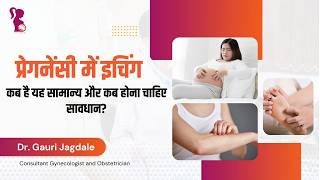
Dr. Gauri Jagdale, Consultant Gynaecologist and Obstetrician at Vedant Clinic, Keshav Nagar, shares detailed insights on what pregnant women should eat, what to avoid, and how to ensure a safe and healthy journey for both mother and baby at each stage of pregnancy.

First Trimester (First 3 Months): Formation of Baby’s Organs
The first trimester marks the beginning of the baby’s organ development, making a well-balanced and nutritious diet essential for mother and child.
What to Eat:
Folic Acid-rich foods: Green leafy vegetables like spinach and broccoli
Iron-rich foods: Jaggery, dates, beetroot, green vegetables
B-complex vitamins: Whole grains and green vegetables
For nausea relief, opt for light bites like puffed rice or dry toast.
What to Avoid:
Raw papaya in large amounts: May cause uterine contractions and increase the risk of miscarriage
Small amounts of cooked papaya or pineapple are generally not harmful
Outside food, processed, and junk food should be completely avoided
Caffeine-based beverages (tea, coffee, sodas) must be limited
Skipping meals can worsen morning sickness
Hydration Tip:
Drink 2 to 3 liters of water daily. Add lemon water or coconut water to stay hydrated and ease morning sickness.
Second Trimester (4 to 6 Months): Rapid Growth Phase
This phase marks rapid fetal growth, making it essential to increase intake of protein, calcium, and iron through a balanced diet.
What to Eat:
Protein sources: Eggs, non-veg food, paneer, curd, milk, moong dal, whole grains
Calcium-rich foods: Milk, curd, paneer, eggs
Iron-rich foods: Beetroot, jaggery, dates, spinach
Dry fruits: A handful (6-8 pieces) daily
What to Avoid:
Fried snacks and cold drinks: May cause acidity and heartburn
Excess caffeine (tea/coffee): May affect the baby’s growth
Third Trimester (7 to 9 Months): Weight Gain and Delivery Preparation
As delivery approaches, weight gain and body preparation for labor become the focus. A balanced diet supports energy and digestion during this stage.
What to Eat:
Complex carbohydrates: Roti, dal, oats
Calcium sources: Milk, curd, paneer, eggs, non-veg
Iron-rich foods: Leafy greens, beetroot, jaggery, dates
For digestion: Ajwain, jeera water, buttermilk
Ghee: Enhances digestion while providing internal lubrication
What to Avoid:
Spicy and heavy meals at night
Overeating and excessive snacking
Street food and outside meals
Eat small and frequent meals. A short walk after meals helps in digestion.
Post-Delivery: Breastfeeding and Recovery Phase
After delivery, the baby depends completely on the mother for nutrition through breast milk. Hence, the mother’s diet must support milk production and healing.
What to Eat:
Milk-producing (galactagogue) foods: Halim seeds, dry fruit laddoos, fenugreek (methi), ragi
Protein and calorie-dense foods: Eggs, non-veg, milk, curd, paneer
Iron-rich foods: Beetroot, rajma, jaggery, dates
Fluids: Drink plenty of coconut water, lemon water, and water throughout the day
What to Avoid:
Gas-forming foods like chickpeas (chana) should be avoided immediately after delivery
Maintain digestive balance by eating at regular intervals.
Continue iron and calcium supplements as prescribed by your doctor
Conclusion: Nourish Every Stage Mindfully
Pregnancy and postpartum are sensitive and nutrition-focused periods. Based on Dr. Gauri Jagadade’s expert advice:
Prioritize home-cooked, natural, and nutritious meals
Avoid processed and junk food
Focus on stage-wise eating for the safety and health of both mother and baby
By following simple, doctor-recommended nutrition strategies, you can ensure a healthy pregnancy journey and a strong start for your baby.